
Electrical Inspection Reports
- Home
- Services
EICR TEST
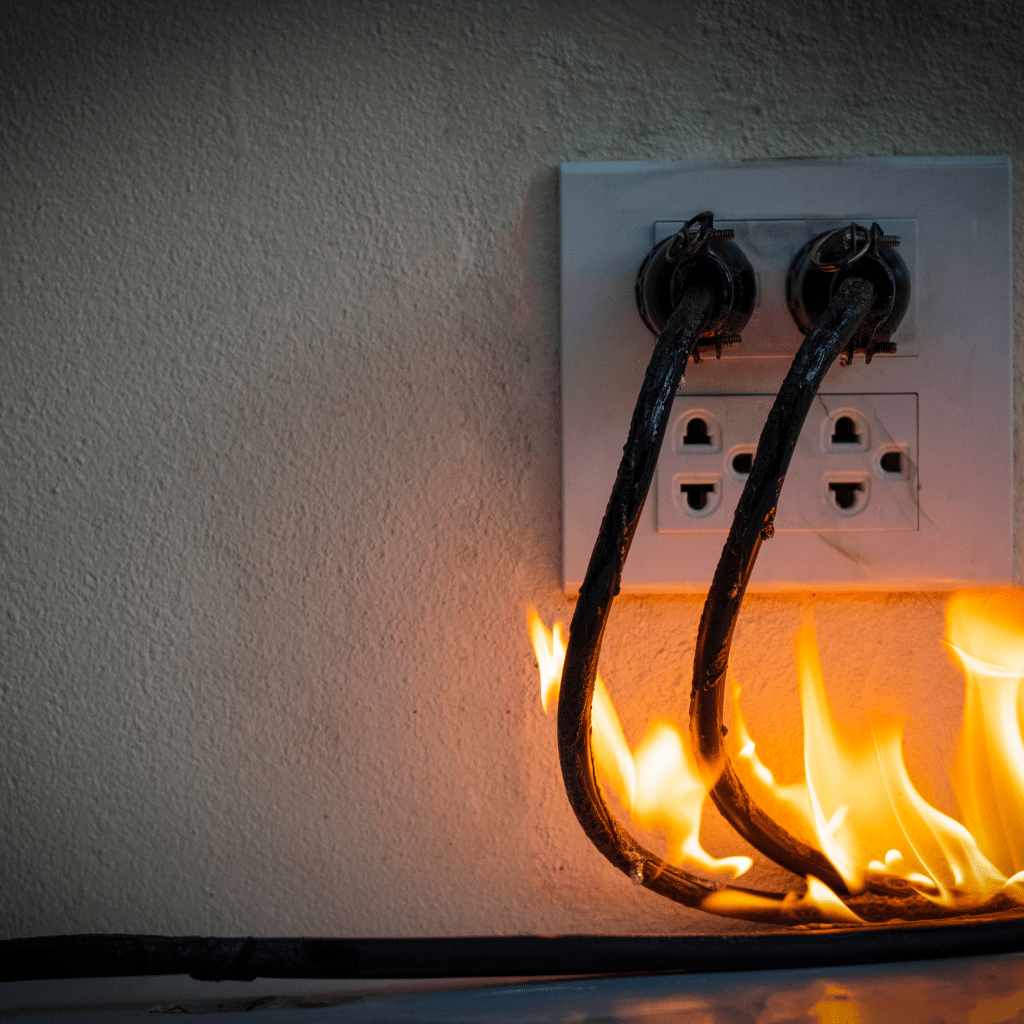
To ensure safety, electrical installation should meet standards. Electric shocks or fires can be caused by faults in the fuse panel, sockets or switches. This could lead to injury or damage for occupants.
A report from Electric Safety First states that electricity fires in UK homes affect 20,000 households every year. Electrical fires are responsible for 89 percent of all home fires. Faulty wiring is the cause for 11 percent. Regular inspections and maintenance could have prevented most of these fires.
The landlord is responsible for ensuring the safety of each tenant during their stay in the rental property. It is important to ensure that all electrical equipment, wiring and fuseboxes are installed safely and properly.
It is important to conduct regular visual checks for electrical problems. Some cables and wires may not be visible to the naked eye and an unqualified electrician could overlook them.
A qualified electrician can inspect your home and provide an Electrical Installation Condition Report (EICR), which will prove to you that it meets high safety standards.

WHAT IS AN EICR?
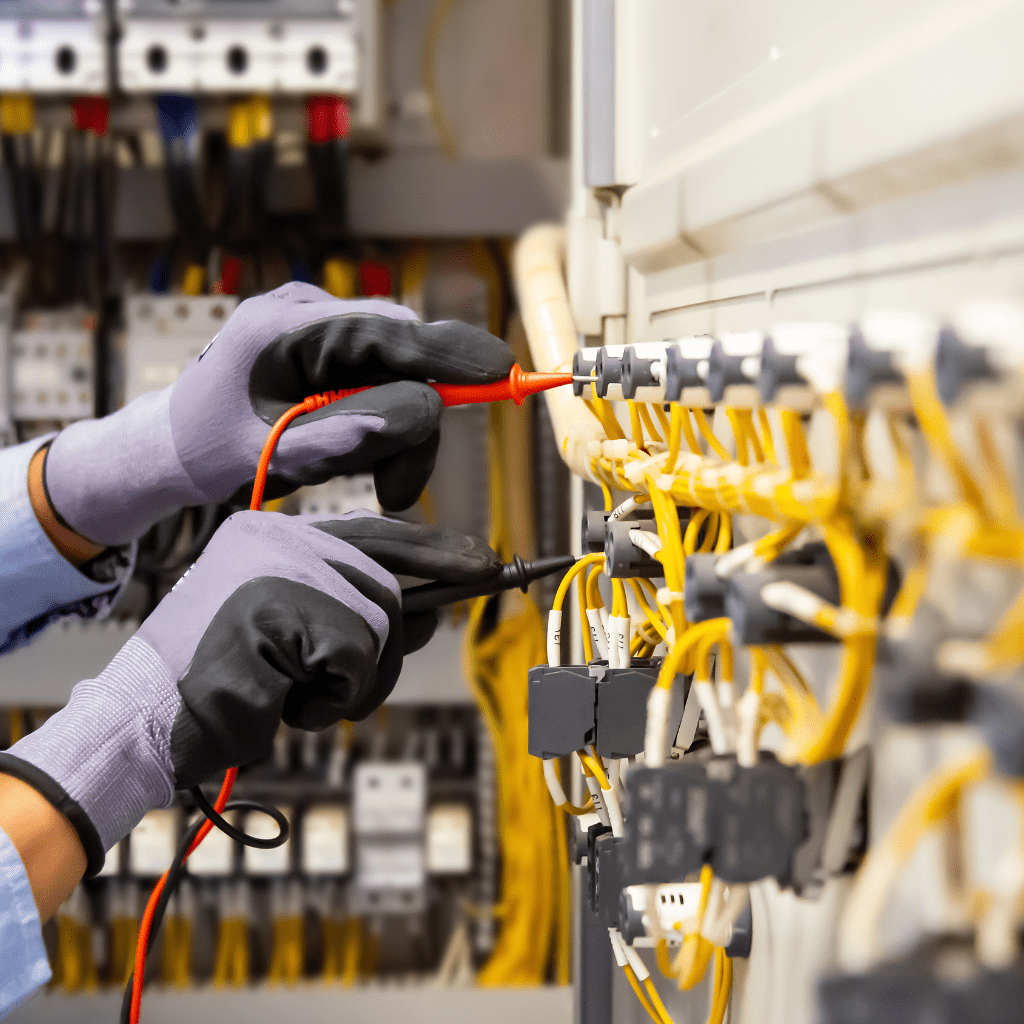
The EICR document is produced by an electrical engineer or electrician after they have completed a thorough assessment of the electrical system in any type of commercial, residential or industrial building. The Homebuyers Test and Landlord Safety Test are also names for it.
A EICR is required for all rental properties based on Electrical Safety Standards of the Private Rented Sector. The regulations state that private landlords must ensure all electrical equipment is in working order.
A EICR will ensure that all electrical systems and installations within a property have been installed correctly, are safe and properly maintained. This is a crucial assessment for all properties, whether they are small homes or industrial facilities.
WHAT DOES AN EICR DO?
The EICR serves five primary purposes.
1. Make sure that the electrical installation on your property is safe.
An engineer or an electrician qualified in electrical systems will check the system for damage, wear, and degradation. The inspectors also check to see if an equipment or installation is installed correctly.
2. Find out if there are any damages or wear-and-tear that could affect the safety and security of residents on your property.
The electrician will then recommend the necessary corrective actions to ensure that your electrical system works properly.
3. You can use this tool to identify components of an installation that don’t meet the Institution of Engineering and Technology Wiring Regulations.
The criteria includes such things as the condition of sockets, bonding and earthing wires and cables, and suitability of control gear.
4. Find out which appliances can cause fires or shocks.
A EICR looks for signs of wear and damage on electrical appliances and recommends that they be repaired or replaced.
5. Note the conditions of electrical installations for future inspections.
It is also useful in case of an accident. This document is proof that your company has taken all necessary steps to protect its customers and staff.
WHAT HAPPENS WHEN I DON’T HAVE MY ELECTRICAL SYSTEM TESTED OUT?
You are responsible under several health and safety laws for your employees and tenants’ safety. If you fail to fix the electrical problem on your property, it could lead to charges of negligence in case someone is hurt or goods are damaged due to an electric fire or electrocution.
It is not a good defence to claim that you were unaware of any electrical problems on your property. If you do not comply with Electrical Safety Standards, then penalties of up to PS30,000 could be imposed.
A EICR can also be used to determine if your insurance company will pay for damages caused by electrical faults. In the event of an electrical fire or accident, and if it’s determined in court that your negligence on safety was to blame for this incident, then you may lose coverage from your insurance. If you are sued by a client or employee, the legal fees and costs for repairs and replacements of property will be your responsibility.
A EICR is required for all rental properties based on Electrical Safety Standards of the Private Rented Sector. The regulations state that private landlords must ensure all electrical equipment is in working order.
A EICR will ensure that all electrical systems and installations within a property have been installed correctly, are safe and properly maintained. This is a crucial assessment for all properties, whether they are small homes or industrial facilities.
HOW IS AN EICR CARRIED OUT?
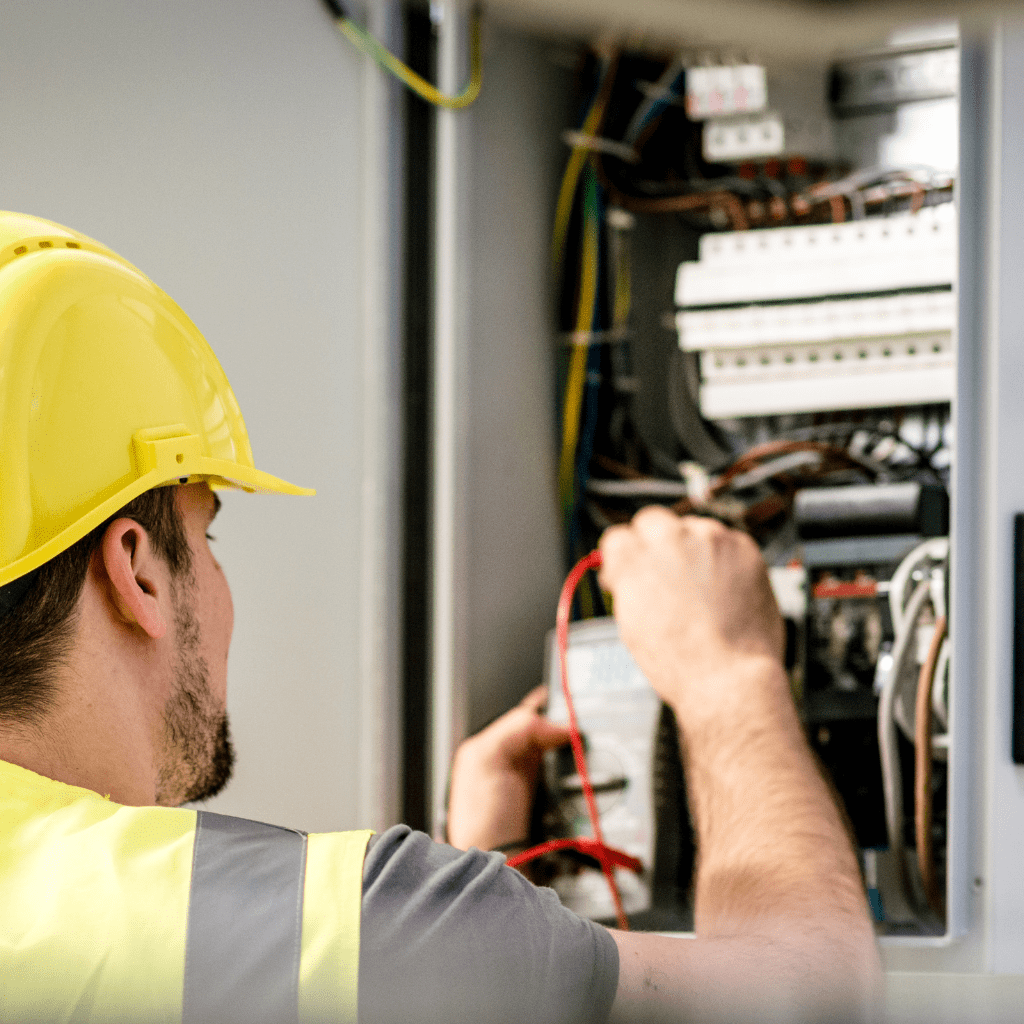
Electrical engineers or electricians with experience should conduct the EICR.
Contractors will discuss operational restrictions with clients for commercial or rented property. It may be necessary to close down the phone line or server for a short time during the inspection.
There are also areas that an electrician cannot access. For example, cables that run through walls and floors that require the removal of plaster and flooring.
The electrician and the client will have to agree on a sample rate that determines how many sockets are tested. Both parties can agree to increase the size of the test sample if any defects are found during the inspection.
The electrician must disconnect the installation’s electrical supply from the main electricity source of the building to perform the EICR. The IET Wiring Regulations will be used to check that the electrical installation meets the required standards.
EICR TESTING BY MT High Tech ltd
Electrical engineers or electricians with experience should conduct the EICR.
Contractors will discuss operational restrictions with clients for commercial or rented property. It may be necessary to close down the phone line or server for a short time during the inspection.
There are also areas that an electrician cannot access. For example, cables that run through walls and floors that require the removal of plaster or floor coverings.
The electrician and the client will have to agree on a sample rate that determines how many sockets are tested. Both parties can agree to increase the size of the test sample if any defects are found during the inspection.
The electrician must disconnect the installation’s electrical supply from the main electricity source of the building to perform the EICR. The IET Wiring Regulations will be used to check that the electrical installation meets the required standards.
WHAT HAPPENS IF I DON’T PASS THE EICR?
If your EICR report reveals issues with your electrical system, the results will come out as “Unsatisfactory,” meaning there is remedial work to be done. The electrician will also provide a fixed price quotation for the remedial work. The electrician will indicate a code to specify the extent of the risk and the required action:
C1CODE 1
Danger present. Risk of injury.
C2CODE 2
Potentially dangerous.
C3CODE 3
Improvement recommended.
FIFURTHER INVESTIGATION
Further checks required without delay.
FAQ
General Question
An EICR inspection usually takes between one and four hours. The duration of an EICR inspection depends on a number of factors, including the size and accessibility of the electrical system, as well as the amount of electrical equipment.
Additional inspections may be needed, depending on what the electrician finds during the assessment.
The electrician will give you an EICR after the inspection. You should keep it until your next inspection. It is not a certification, but a simple report detailing the condition of the installation, and any remedial work that may be required.
EICRs will detail damages, defects and deterioration, as well as other situations that may put the safety of everyone inside the building in danger. The report may include pictures to highlight areas that are of concern.
Electrical Safety Standards requires that any electrical issue be resolved within 28 days of the date you receive the recommendation by the electrician.
The electrician will then issue you an EICR Certificate of Safety, which verifies that all your electrical components are in good working order.
Make copies of this confirmation and give them to every tenant in 28 days after the completion of corrective actions. The report should also be forwarded to the local authority of housing within that same period.
If you fail to fix the problem within a reasonable time frame, penalties may be imposed. The local housing authority will send you a notice requesting that the work be completed within 21 days.
The local housing authority will arrange for an authorized person to visit your home to perform remedial work if the corrective actions are not carried out within a specified period.
The EICR is proof that all electrical safety regulations were met and you took reasonable measures to protect the safety of the occupants.
The following persons must receive copies of the EICR:
Current tenants of residential premises
Within 28 days of the testing and inspection, copies must be provided.
Before they move in, new tenants must:
Before agreeing to a purchase, prospective tenants can also ask for a copy.
Local Housing Authority:
You must give them a copy within 7 days of receiving their written request.
The next EICR inspector:
It will help them to understand your system's history before they start a new one.
The electrician should apply an electrical label after inspecting and testing the installation. This will indicate the date and recommended time for the EICR next test. On the EICR, the electrician should also note the date of the next test.
A more frequent inspection may be recommended by the electrician based on a number of factors. The recommendation should also be supported in the report.
A two-bed apartment costs between PS120 and PS150. Price can increase depending on factors such as:
Location:
The EICR of properties in cities tends to be higher.
Age the property:
The electrical system of older properties is more likely to be worn out and deteriorated.
Property size:
The inspection of larger properties is more thorough.
Property type:
A factory or industrial building will require a more thorough inspection than an apartment or hostel.
Tests of
We encourage you to inspect all your systems. However, this may not be possible due to factors such as the layout of your home or business. The cost of having the engineer or electrician inspect certain parts of the building is reduced, but you may not get a full picture of how your electrical system functions.
Electrical system accessibility and condition:
The contractor may charge more if your electrical installation is difficult to reach or has deteriorated with time.
These tips will help you get the most out of your EICR Inspection.
Hire a qualified electrician or engineer:
Select an electrician who has the relevant certifications such as those from the National Inspection Council for Electrical Installation or the Electrical Contractors' Association. They evaluate electricians to make sure they are meeting safety and technical standards. Before the electrical contractor arrives on your property, ask for any relevant certificates.
Check out the relevant legislation:
You might find it a tedious task, but reading electrical safety regulations will ensure that you know the steps to take to keep your tenants and staff safe. These regulations may even reveal aspects that need to be addressed.
Perform a pre-inspection of your property.
Visually inspect your appliances and electrical system before the inspection. Take note of any visible issues. It will minimize any problems that the contractor may detect when performing an EICR. The preliminary inspection will also reveal which parts of the system are out of reach for you and need to be assessed professionally by an electrician.
Fix issues discovered after visual inspection.
Replace damaged sockets, extension cords and other electrical components as soon as you discover them. When necessary, tape extension cords or wires to the floor and wall. In areas with a higher risk of electrical shock (such as bathrooms or swimming pools), install ground fault circuit interpreters.
Informing your tenants in advance:
Inform your tenants of the EICR that will be conducted on their property. Indicate the date and duration of the test, as well as any disruptions in their normal daily routine. It allows the tenants to prepare for how they will continue with their daily activities during the inspection.
Discuss the scope of your inspection with the electrician.
Talk to your contractor about the areas that they are allowed access to and explain why certain areas may be restricted. On the EICR front page, it should clearly state the scope of installation which has been tested and assessed. You and your electrician should know that the electrical inspector can only inspect the common areas and not individual units.
Fill out the online form to receive more information on our EICR tests and electrical safety obligations or give us a call us. We will respond to your request as soon as possible.
Start Consultation If You Have Any Question About Our Service
- Accurate Service
- Free Measurement
- Save More Time
- Project Planning